Building healthy skin habits starts with understanding your skin and choosing a routine that feels comfortable and easy to maintain. Acne prone skin can benefit from gentle care, consistent cleansing, and thoughtful product choices. Rather than changing everything at once, focus on small daily steps that support a balanced complexion over time.
A gentle cleanser is a useful starting point for most routines. Wash your face with lukewarm water and avoid scrubbing too hard, as friction may irritate the skin. Cleansing in the morning and evening can help remove excess oil, sweat, and everyday impurities without making your routine complicated.
Moisturizing is another important part of everyday skin care. Even skin that feels oily can benefit from a lightweight moisturizer labeled noncomedogenic, meaning it is designed not to clog pores. Keeping the skin comfortable can make a routine easier to follow consistently.
When choosing acne care products, introduce new ingredients gradually. Products containing salicylic acid or benzoyl peroxide may help with certain types of breakouts, but they can also cause dryness or irritation. Follow label directions, avoid combining too many active ingredients at once, and consider asking a dermatologist for guidance if you are unsure which option suits your needs.
Daily sun protection also supports healthy skin habits. Choose a broad spectrum sunscreen with SPF 30 or higher and select a formula that feels comfortable for regular use. Consistent protection can help reduce sun related skin damage and the appearance of lingering dark marks.
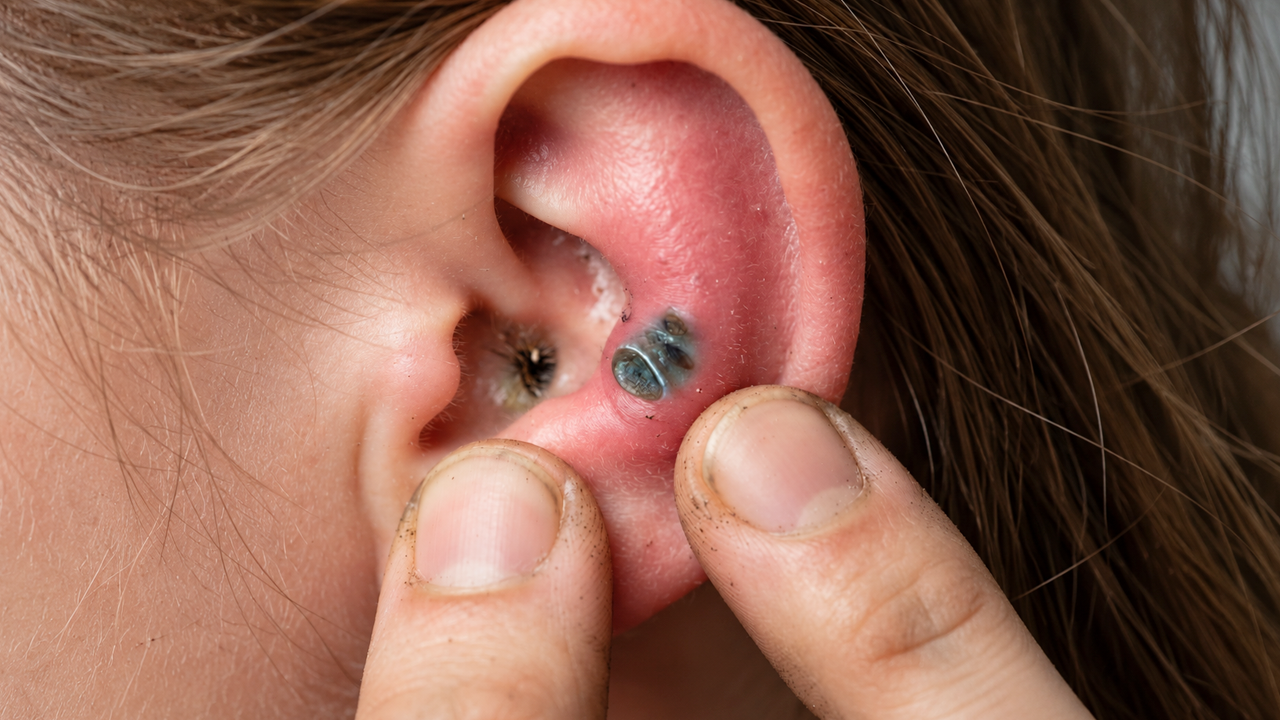
Healthy habits extend beyond products. Get enough sleep, clean items that regularly touch your face, and avoid picking or squeezing blemishes. Although lifestyle choices do not explain every breakout, a steady routine can support overall skin care.
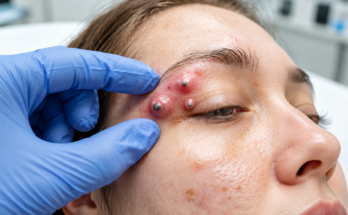
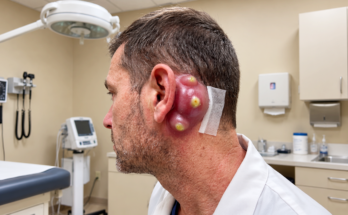
Remember that progress takes time, and different skin types respond differently. Keep your routine simple, observe how your skin reacts, and make changes patiently. If acne is persistent, painful, or leaving scars, seek advice from a qualified dermatologist. With realistic expectations and consistent care, healthy skin habits can become a natural part of everyday life.